
call us now
+918968089300
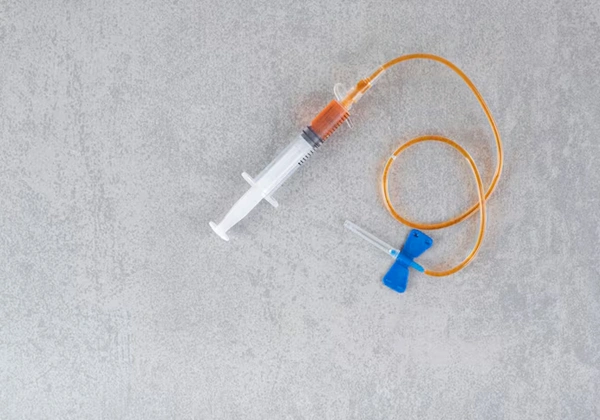
Temporary hemodialysis catheter
When the kidneys suddenly stop functioning or a patient requires urgent hemodialysis, immediate vascular access is essential to begin life-saving treatment without delay. A Temporary Hemodialysis Catheter provides quick and effective access to the bloodstream, allowing dialysis to be started immediately in emergency situations or while a permanent dialysis access is being planned. If you are looking for Temporary Hemodialysis Catheter in Gurugram, Dr. Madhuri Jaitely offers expert evaluation, dialysis planning, catheter management, and comprehensive kidney care tailored to each patient’s needs.
Located at Phase-I, C-1, Sushant Lok Rd, Sector 43, Gurugram, Haryana, Dr. Madhuri Jaitely specializes in managing acute and chronic kidney diseases, ensuring patients receive timely and safe dialysis treatment with appropriate vascular access.
What Is a Temporary Hemodialysis Catheter?
A temporary hemodialysis catheter is a flexible tube inserted into a large vein—commonly the internal jugular vein in the neck, the femoral vein in the groin, or occasionally the subclavian vein. It provides direct access to the bloodstream so that blood can be removed, filtered through the dialysis machine, and returned to the body.
Unlike a permanent tunneled catheter or an AV fistula, a temporary catheter is designed for short-term use, especially during emergencies or until a more permanent dialysis access is available.
Choosing experienced care for Temporary Hemodialysis Catheter in Gurugram ensures safe catheter placement, proper maintenance, and timely transition to long-term dialysis access when needed.
Who Needs a Temporary Hemodialysis Catheter?
A temporary dialysis catheter may be recommended for patients who:
- Require emergency hemodialysis
- Have Acute Kidney Injury (AKI)
- Have sudden worsening of Chronic Kidney Disease (CKD)
- Need urgent treatment for severe electrolyte imbalance
- Have fluid overload causing breathing difficulty
- Are waiting for an AV fistula or permanent catheter placement
- Have a blocked or malfunctioning permanent dialysis access
- Require short-term dialysis after major surgery or illness
Dr. Madhuri Jaitely carefully evaluates each patient to determine whether a temporary catheter is the most suitable option.
Benefits of a Temporary Hemodialysis Catheter
Temporary dialysis catheters offer several advantages in urgent situations:
- Immediate dialysis access
- Rapid placement in emergency conditions
- No waiting period before use
- Life-saving treatment for acute kidney failure
- Suitable bridge to permanent dialysis access
- Quick relief from fluid overload and toxin buildup
- Effective removal of excess potassium and waste products
- Minimally invasive procedure
- Helps stabilize critically ill patients
- Facilitates early dialysis initiation
These benefits make temporary catheters an essential part of emergency kidney care.
How Is a Temporary Hemodialysis Catheter Inserted?
The catheter insertion procedure is generally performed under sterile conditions using ultrasound guidance.
The process usually includes:
- Medical assessment and informed consent.
- Cleaning and sterilizing the insertion site.
- Administration of local anesthesia.
- Insertion of the catheter into a large vein under ultrasound guidance.
- Confirmation of catheter position.
- Securing the catheter and applying a sterile dressing.
- Immediate use for hemodialysis if required.
The procedure is typically completed within 20–30 minutes and allows dialysis to begin promptly.
Caring for a Temporary Hemodialysis Catheter
Proper catheter care is essential to prevent infection and maintain effective dialysis access.
Patients should:
- Keep the dressing clean and dry.
- Avoid pulling or bending the catheter.
- Do not touch the catheter unnecessarily.
- Avoid swimming or soaking the catheter in water.
- Report redness, swelling, fever, or discharge immediately.
- Attend all scheduled dialysis sessions.
- Follow all instructions provided by the healthcare team.
Careful maintenance helps reduce complications and supports successful dialysis treatment.
Possible Risks and Complications
Although temporary dialysis catheters are commonly used and generally safe, potential risks include:
- Catheter-related infection
- Bleeding at the insertion site
- Blood clot formation
- Catheter blockage
- Accidental catheter displacement
- Vein injury
- Air embolism (rare)
- Bloodstream infection
Regular monitoring and prompt medical attention help minimize these risks.
Temporary Catheter vs. Permanent Catheter vs. AV Fistula
Each dialysis access option serves a different purpose:
| Temporary Hemodialysis Catheter | Permanent Hemodialysis Catheter | AV Fistula |
|---|---|---|
| Short-term use | Long-term use | Preferred permanent access |
| Immediate use | Immediate or early use | Requires 6–12 weeks to mature |
| Higher infection risk | Lower infection risk than temporary catheter | Lowest infection risk |
| Emergency dialysis | Long-term dialysis support | long-term dialysis option |
| Easy placement | Tunneled under the skin | Surgically created connection |
Dr. Madhuri Jaitely helps patients transition from temporary access to the most appropriate long-term dialysis solution.
Why Choose Dr. Madhuri Jaitely for Temporary Hemodialysis Catheter Care in Gurugram?
Timely dialysis access can be lifesaving. Dr. Madhuri Jaitely provides expert nephrology care, ensuring patients receive appropriate dialysis access, ongoing monitoring, and individualized treatment plans.
Patients trust Dr. Madhuri Jaitely because of:
- Expertise in acute and chronic kidney disease management
- Comprehensive dialysis planning
- Personalized vascular access evaluation
- Emergency kidney care support
- Long-term dialysis management
- Patient-centered treatment approach
- Advanced nephrology expertise
- Coordination with experienced intervention specialists
- Focus on patient safety and comfort
- Convenient clinic location in Sector 43, Gurugram
At Phase-I, C-1, Sushant Lok Rd, Sector 43, Gurugram, Haryana, Dr. Madhuri Jaitely is committed to delivering high-quality nephrology care with safe and effective dialysis access solutions.
Frequently Asked Questions (FAQs)
1. What is a temporary hemodialysis catheter?
A temporary hemodialysis catheter is a short-term vascular access device inserted into a large vein to provide immediate access for dialysis.
2. When is a temporary dialysis catheter needed?
It is commonly used during emergencies, acute kidney injury, or while waiting for a permanent dialysis access such as an AV fistula to mature.
3. Can dialysis begin immediately after catheter insertion?
Yes. Temporary hemodialysis catheters are designed for immediate use, allowing dialysis to start without delay.
4. How long can a temporary dialysis catheter remain in place?
Temporary catheters are intended for short-term use. Your nephrologist will recommend transitioning to a permanent catheter or AV fistula if long-term dialysis is needed.
5. Is catheter insertion painful?
The procedure is performed under local anesthesia, so patients generally experience only mild discomfort during insertion.
6. What precautions should I take with a temporary catheter?
Keep the dressing clean and dry, avoid pulling the catheter, protect it from water, and report any signs of infection or discomfort immediately.
7. What are the signs of a catheter-related infection?
Fever, chills, redness, swelling, pain, or discharge around the catheter site should be evaluated promptly by your healthcare provider.
8. Where can I consult Dr. Madhuri Jaitely for Temporary Hemodialysis Catheter care in Gurugram?
You can consult Dr. Madhuri Jaitely at Phase-I, C-1, Sushant Lok Rd, Sector 43, Gurugram, Haryana, for expert evaluation, temporary hemodialysis catheter management, emergency dialysis planning, and comprehensive kidney care.
- Category: Temporary hemodialysis catheter


