
call us now
+918968089300
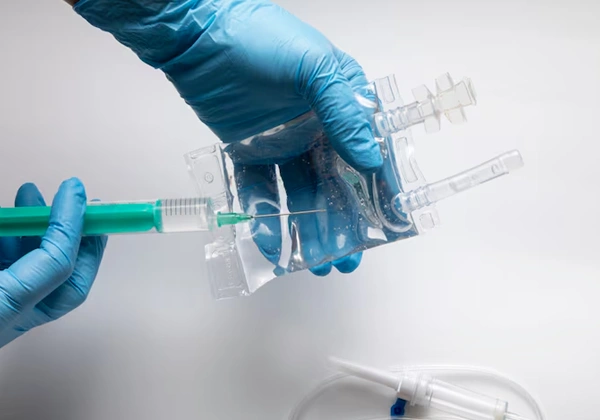
Permanent hemodialysis catheter
For patients with advanced kidney disease or kidney failure, hemodialysis is a life-saving treatment that removes waste products and excess fluid from the body when the kidneys can no longer function effectively. A Permanent Hemodialysis Catheter, also known as a tunneled dialysis catheter, provides reliable vascular access for patients who require long-term dialysis or are waiting for an arteriovenous (AV) fistula to mature. If you are looking for Permanent Hemodialysis Catheter in Gurugram, Dr. Madhuri Jaitely offers comprehensive evaluation, dialysis planning, catheter care, and long-term kidney disease management.
Located at Phase-I, C-1, Sushant Lok Rd, Sector 43, Gurugram, Haryana, Dr. Madhuri Jaitely provides personalized nephrology care to help patients receive safe and effective dialysis access while minimizing complications and improving quality of life.
What Is a Permanent Hemodialysis Catheter?
A permanent hemodialysis catheter is a soft, flexible tube that is inserted into a large vein, usually in the neck (internal jugular vein), and tunneled under the skin before entering the bloodstream. It is designed to provide long-term vascular access for hemodialysis.
Unlike temporary dialysis catheters, tunneled catheters are intended for longer use and have a lower risk of infection due to the protective cuff beneath the skin. Although an AV fistula remains the preferred long-term access, a permanent catheter is an excellent option for patients who need immediate dialysis or cannot undergo fistula creation.
Who Needs a Permanent Hemodialysis Catheter?
A permanent dialysis catheter may be recommended for patients who:
- Have End-Stage Kidney Disease (ESKD)
- Require immediate long-term hemodialysis
- Are waiting for an AV fistula or AV graft to mature
- Have blood vessels unsuitable for fistula creation
- Need dialysis while awaiting kidney transplantation
- Require prolonged dialysis treatment
- Have failed previous vascular access
- Need reliable dialysis access due to medical conditions
Dr. Madhuri Jaitely carefully evaluates each patient to determine the most appropriate dialysis access based on their medical condition and treatment needs.
Benefits of a Permanent Hemodialysis Catheter
Permanent tunneled catheters offer several important benefits:
- Immediate use for dialysis
- Reliable vascular access
- Suitable for long-term dialysis when AV fistula is not possible
- Less discomfort compared to repeated temporary catheter placement
- Reduced risk of infection compared with non-tunneled catheters
- No needle punctures during dialysis sessions
- Faster initiation of dialysis treatment
- Improved patient comfort
- Helpful bridge until permanent vascular access matures
- Supports regular and effective dialysis sessions
Although it offers convenience, meticulous catheter care is essential to reduce the risk of infection and maintain proper function.
How Is the Catheter Inserted?
The catheter insertion procedure is usually performed under local anesthesia with imaging guidance.
The process typically involves:
- Pre-procedure medical evaluation.
- Cleaning and sterilizing the insertion site.
- Administration of local anesthesia.
- Placement of the catheter into a large vein using ultrasound and X-ray guidance.
- Tunneling the catheter under the skin for added protection.
- Securing the catheter and applying a sterile dressing.
- Confirming proper catheter position before dialysis begins.
The procedure is generally safe and is completed within a short period, allowing dialysis to begin soon afterward.
Caring for Your Permanent Hemodialysis Catheter
Proper catheter care is essential to prevent infection and ensure smooth dialysis sessions.
Patients should:
- Keep the catheter dressing clean and dry.
- Avoid touching the catheter unnecessarily.
- Never attempt to remove the dressing at home unless instructed.
- Do not immerse the catheter in water while bathing.
- Report fever, redness, swelling, or discharge immediately.
- Attend all scheduled dialysis sessions and follow-up appointments.
- Ensure catheter flushing and maintenance are performed by trained healthcare professionals.
Following these precautions helps prolong catheter function and reduce complications.
Possible Risks and Complications
While permanent hemodialysis catheters are generally safe, potential complications include:
- Catheter-related bloodstream infection
- Blockage or clot formation
- Bleeding at the insertion site
- Catheter malfunction
- Vein narrowing (stenosis)
- Catheter displacement
- Air embolism (rare)
- Bloodstream infection requiring treatment
Regular monitoring by an experienced nephrologist helps identify and manage these issues promptly.
Permanent Catheter vs. AV Fistula
Both options provide dialysis access, but they serve different purposes.
| Permanent Hemodialysis Catheter | AV Fistula |
|---|---|
| Can be used immediately | Requires 6–12 weeks to mature |
| No needle insertion during dialysis | Needle insertion required |
| Higher infection risk | Lower infection risk |
| Suitable when urgent dialysis is needed | long-term dialysis access |
| Often used as a temporary long-term solution | Preferred permanent access |
Dr. Madhuri Jaitely helps determine the most appropriate vascular access based on your medical condition and long-term treatment goals.
Why Choose Dr. Madhuri Jaitely for Permanent Hemodialysis Catheter Care in Gurugram?
Managing dialysis access requires expertise, careful planning, and ongoing monitoring. Dr. Madhuri Jaitely provides comprehensive nephrology care to ensure safe and effective dialysis treatment.
Patients choose Dr. Madhuri Jaitely because of:
- Expert dialysis planning
- Personalized vascular access evaluation
- Comprehensive chronic kidney disease management
- Guidance for permanent dialysis catheter placement
- Long-term catheter monitoring
- Infection prevention strategies
- Patient-centered counseling
- Coordination with experienced interventional specialists
- Advanced nephrology care
- Convenient clinic location in Sector 43, Gurugram
At Phase-I, C-1, Sushant Lok Rd, Sector 43, Gurugram, Haryana, Dr. Madhuri Jaitely is committed to providing compassionate kidney care and helping patients receive safe, reliable, and effective dialysis treatment.
Frequently Asked Questions (FAQs)
1. What is a permanent hemodialysis catheter?
A permanent hemodialysis catheter is a tunneled catheter placed into a large vein to provide long-term access for hemodialysis.
2. How is a permanent catheter different from a temporary dialysis catheter?
A permanent catheter is tunneled under the skin, making it more suitable for long-term use and reducing the risk of infection compared to a temporary catheter.
3. Can dialysis begin immediately after catheter placement?
Yes. One of the major advantages of a permanent hemodialysis catheter is that it can usually be used immediately or shortly after placement.
4. Is a permanent catheter better than an AV fistula?
An AV fistula is generally considered the best long-term dialysis access because it has a lower risk of infection and lasts longer. A permanent catheter is recommended when immediate dialysis is required or an AV fistula is not yet available.
5. How should I care for my dialysis catheter?
Keep the dressing clean and dry, avoid unnecessary handling, protect it from water exposure, and attend regular follow-up and dialysis appointments.
6. What are the signs of catheter infection?
Redness, swelling, pain, fever, chills, or discharge around the catheter site should be reported to your doctor immediately.
7. How long can a permanent dialysis catheter remain in place?
With proper care and regular monitoring, a tunneled dialysis catheter can remain in place for several months or longer, depending on the patient's condition and treatment plan.
8. Where can I consult Dr. Madhuri Jaitely for Permanent Hemodialysis Catheter care in Gurugram?
You can consult Dr. Madhuri Jaitely at Phase-I, C-1, Sushant Lok Rd, Sector 43, Gurugram, Haryana, for expert dialysis access evaluation, permanent hemodialysis catheter management, and comprehensive kidney care.
- Category: Permanent hemodialysis catheter


