
call us now
+918968089300
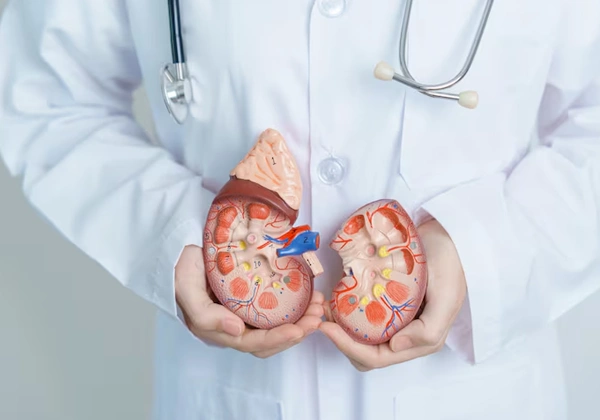
Renal transplant
A healthy kidney is essential for filtering waste, balancing body fluids, regulating blood pressure, and maintaining overall health. When the kidneys fail due to advanced kidney disease, a renal transplant is often the most effective long-term treatment option. Compared with lifelong dialysis, kidney transplantation offers improved quality of life, better kidney function, and greater independence for eligible patients. If you are looking for Renal Transplant Care in Gurugram, Dr. Madhuri Jaitely provides comprehensive evaluation, expert guidance, and long-term follow-up for patients undergoing kidney transplantation.
Located at Phase-I, C-1, Sushant Lok Rd, Sector 43, Gurugram, Haryana, Dr. Madhuri Jaitely specializes in managing patients before and after renal transplantation. From assessing transplant eligibility to monitoring the health of the transplanted kidney, every stage of care is personalized to achieve the best possible outcomes.
What Is a Renal Transplant?
A renal transplant, also known as a kidney transplant, is a surgical procedure in which a healthy kidney from a living or deceased donor is transplanted into a person whose kidneys have permanently lost their function. A successful transplant can restore near-normal kidney function and significantly improve overall health and quality of life.
Although the surgery is performed by a transplant surgeon, a nephrologist plays a vital role in preparing patients for transplantation and providing lifelong medical care after the procedure. Choosing experienced Renal Transplant Care in Gurugram ensures proper evaluation, safe recovery, and long-term transplant success.
Who May Need a Renal Transplant?
A renal transplant is generally recommended for patients with end-stage kidney disease (ESKD) or irreversible kidney failure. You may be a candidate if you have:
- Chronic Kidney Disease (Stage 5)
- End-Stage Renal Disease (ESRD)
- Long-term dialysis dependency
- Diabetic kidney disease
- Hypertensive kidney damage
- Polycystic kidney disease
- Chronic glomerulonephritis
- Lupus nephritis
- Congenital kidney disorders
- Progressive loss of kidney function
Early consultation helps determine the right time for transplant evaluation and improves treatment outcomes.
Symptoms of Advanced Kidney Disease
Patients with severe kidney disease may experience:
- Persistent fatigue and weakness
- Swelling of the feet, ankles, or face
- Reduced urine output
- Foamy or bloody urine
- High blood pressure
- Shortness of breath
- Loss of appetite
- Nausea and vomiting
- Muscle cramps
- Difficulty concentrating
- Persistent itching
- Fluid retention
If you notice these symptoms, consult Dr. Madhuri Jaitely for timely assessment and advanced kidney care.
Pre-Transplant Evaluation
Before a renal transplant, every patient undergoes a detailed medical assessment to ensure they are suitable candidates for surgery. The evaluation may include:
- Comprehensive medical history
- Physical examination
- Kidney function tests
- Blood group and tissue typing
- Crossmatch testing
- Cardiac evaluation
- Infection screening
- Imaging studies
- Diabetes and blood pressure assessment
- Nutritional evaluation
- Counseling regarding transplant procedures and medications
A thorough evaluation helps minimize risks and improves the chances of a successful transplant.
Post-Transplant Care
After a kidney transplant, regular follow-up is essential to ensure the transplanted kidney functions well. Dr. Madhuri Jaitely provides complete post-transplant nephrology care, including:
- Regular kidney function monitoring
- Immunosuppressive medication management
- Blood pressure control
- Diabetes management
- Infection prevention and treatment
- Routine blood and urine investigations
- Nutritional guidance
- Lifestyle counseling
- Early detection of transplant rejection
- Long-term graft function monitoring
Consistent follow-up is key to protecting the transplanted kidney and maintaining long-term health.
Benefits of Renal Transplant
Compared with long-term dialysis, renal transplantation offers several advantages:
- Improved quality of life
- Better kidney function
- Greater energy levels
- Increased life expectancy for eligible patients
- Freedom from regular dialysis sessions
- Better blood pressure control
- Improved nutritional status
- Enhanced physical activity
- Better emotional well-being
- Greater independence in daily life
With proper medication and regular medical supervision, many transplant recipients lead active and fulfilling lives.
Lifestyle After a Renal Transplant
Maintaining a healthy lifestyle after transplantation helps ensure the long-term success of the transplanted kidney. Patients are advised to:
- Take prescribed medications regularly
- Attend all follow-up appointments
- Eat a balanced kidney-friendly diet
- Stay hydrated
- Exercise regularly after recovery
- Avoid smoking and tobacco use
- Limit alcohol consumption
- Maintain a healthy body weight
- Practice good hygiene to reduce infection risk
- Monitor blood pressure and blood sugar regularly
These measures contribute significantly to the long-term health of the transplanted kidney.
Why Choose Dr. Madhuri Jaitely for Renal Transplant Care in Gurugram?
Managing a kidney transplant requires expertise, careful monitoring, and personalized care. Dr. Madhuri Jaitely is dedicated to providing comprehensive renal transplant services that focus on patient safety, long-term kidney function, and improved quality of life.
Patients choose Dr. Madhuri Jaitely because of:
- Comprehensive transplant evaluation
- Personalized treatment planning
- Expertise in chronic kidney disease management
- Specialized pre- and post-transplant care
- Advanced diagnostic approach
- Evidence-based nephrology treatment
- Lifelong transplant monitoring
- Compassionate patient counseling
- Coordination with multidisciplinary transplant teams
- Convenient clinic location in Sector 43, Gurugram
At Phase-I, C-1, Sushant Lok Rd, Sector 43, Gurugram, Haryana, Dr. Madhuri Jaitely provides trusted nephrology care to support patients throughout every stage of their renal transplant journey.
Frequently Asked Questions (FAQs)
1. What is a renal transplant?
A renal transplant is a surgical procedure in which a healthy kidney from a donor replaces a non-functioning kidney in a patient with kidney failure.
2. Who is eligible for a renal transplant?
Patients with end-stage kidney disease who meet the required medical criteria may be eligible after a detailed transplant evaluation.
3. Is a renal transplant better than dialysis?
For many eligible patients, a kidney transplant provides better long-term survival, improved quality of life, and greater independence compared to long-term dialysis.
4. How long does a transplanted kidney last?
The lifespan of a transplanted kidney varies depending on donor type, overall health, medication adherence, and regular follow-up. Many transplanted kidneys function well for many years.
5. Will I need medications after a transplant?
Yes. Lifelong immunosuppressive medications are essential to prevent rejection of the transplanted kidney.
6. How often should I visit a nephrologist after a transplant?
Initially, follow-up visits are frequent. Over time, they become less frequent but remain necessary for lifelong monitoring.
7. What precautions should I take after a renal transplant?
Take medications as prescribed, maintain a healthy lifestyle, avoid infections, monitor blood pressure, and attend regular follow-up appointments.
8. Where can I consult Dr. Madhuri Jaitely for Renal Transplant Care in Gurugram?
You can consult Dr. Madhuri Jaitely at Phase-I, C-1, Sushant Lok Rd, Sector 43, Gurugram, Haryana, for expert renal transplant evaluation, post-transplant monitoring, and comprehensive kidney care.
- Category: Renal transplant


