
call us now
+918968089300
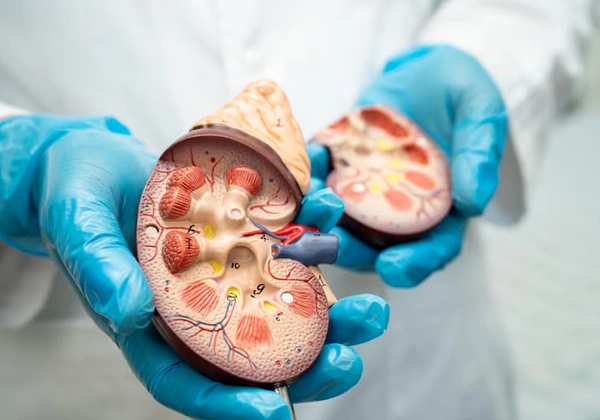
Kidney biopsy
Kidney diseases often develop silently, making early and accurate diagnosis essential for effective treatment. While blood tests, urine tests, and imaging studies provide valuable information, some kidney conditions require a more detailed examination of kidney tissue. A kidney biopsy is one of the most reliable diagnostic procedures for identifying the exact cause of kidney disease and planning the most appropriate treatment. If you are looking for Kidney Biopsy in Gurugram, Dr. Madhuri Jaitely offers comprehensive evaluation, expert guidance, and personalized nephrology care.
Located at Phase-I, C-1, Sushant Lok Rd, Sector 43, Gurugram, Haryana, Dr. Madhuri Jaitely specializes in diagnosing and managing a wide range of kidney disorders. From determining the need for a biopsy to interpreting biopsy results and creating individualized treatment plans, patients receive compassionate, evidence-based care throughout their journey.
What Is a Kidney Biopsy?
A kidney biopsy is a minimally invasive diagnostic procedure in which a small sample of kidney tissue is removed using a specialized needle. The tissue is then examined under a microscope by expert pathologists to identify the underlying cause of kidney disease.
A biopsy helps diagnose various kidney conditions, assess the severity of disease, monitor treatment response, and evaluate transplanted kidneys when necessary. The procedure is usually performed under ultrasound guidance to ensure precision and safety.
Choosing an experienced specialist for Kidney Biopsy in Gurugram ensures accurate diagnosis and appropriate treatment planning.
Why Is a Kidney Biopsy Performed?
A kidney biopsy may be recommended when laboratory tests or imaging studies cannot determine the exact cause of kidney disease. It helps identify inflammation, infection, immune-related disorders, scarring, and other structural abnormalities.
Dr. Madhuri Jaitely may recommend a kidney biopsy for:
- Unexplained protein in urine
- Persistent blood in urine
- Sudden decline in kidney function
- Acute kidney injury
- Chronic kidney disease of unknown cause
- Nephrotic syndrome
- Glomerulonephritis
- Lupus nephritis
- Kidney transplant evaluation
- Monitoring response to treatment
A biopsy provides essential information that helps guide personalized treatment decisions.
Who May Need a Kidney Biopsy?
Not every kidney disease requires a biopsy. However, the procedure is commonly advised for patients experiencing:
- Persistent proteinuria
- Hematuria (blood in urine)
- Rapidly worsening kidney function
- Unexplained kidney failure
- Autoimmune kidney diseases
- Recurrent kidney inflammation
- Abnormal kidney imaging findings
- Swelling caused by kidney disease
- Suspected glomerular disorders
- Kidney transplant complications
Early diagnosis through Kidney Biopsy in Gurugram allows timely treatment and helps prevent further kidney damage.
Symptoms That Require Kidney Evaluation
Patients experiencing the following symptoms should consult a nephrologist promptly:
- Swelling in legs or face
- Foamy urine
- Blood in urine
- High blood pressure
- Fatigue and weakness
- Decreased urine output
- Persistent nausea
- Loss of appetite
- Unexplained weight gain due to fluid retention
- Elevated creatinine levels
These symptoms may indicate underlying kidney disease that requires detailed investigation.
How Is a Kidney Biopsy Performed?
Kidney biopsy is generally performed as a day-care or short hospital procedure.
The process typically includes:
- Medical evaluation and blood tests before the procedure.
- Ultrasound is used to locate the kidney.
- Local anesthesia is administered to numb the area.
- A biopsy needle is inserted through the skin to obtain a small kidney tissue sample.
- The tissue is sent for microscopic examination.
- Patients are observed for several hours after the procedure before discharge.
The procedure usually takes around 30–60 minutes, while observation continues for a few hours to ensure patient safety.
Benefits of Kidney Biopsy
A kidney biopsy offers several important advantages, including:
- Accurate diagnosis of kidney diseases
- Identification of disease severity
- Personalized treatment planning
- Early detection of immune-related kidney disorders
- Better monitoring of disease progression
- Evaluation of kidney transplant health
- Improved treatment outcomes
- Avoidance of unnecessary medications
- Better long-term kidney preservation
- Guidance for future management
An accurate diagnosis is the foundation of successful kidney disease treatment.
Recovery After Kidney Biopsy
Recovery is generally straightforward, although patients are advised to take certain precautions.
After the procedure:
- Rest for 24–48 hours.
- Avoid heavy lifting for about one week.
- Drink adequate fluids unless otherwise advised.
- Monitor for blood in urine.
- Follow medication instructions carefully.
- Attend follow-up appointments.
Most patients resume normal daily activities within a few days, depending on their overall health.
Risks of Kidney Biopsy
Kidney biopsy is considered a safe procedure when performed by experienced specialists. Although complications are uncommon, potential risks include:
- Mild pain at the biopsy site
- Temporary blood in urine
- Minor bleeding
- Rare infection
- Very rarely, significant bleeding requiring additional treatment
Dr. Madhuri Jaitely carefully evaluates every patient before recommending a biopsy to minimize risks and ensure safe outcomes.
Why Choose Dr. Madhuri Jaitely for Kidney Biopsy in Gurugram?
When selecting a nephrologist for Kidney Biopsy in Gurugram, expertise, precision, and personalized care are essential. Dr. Madhuri Jaitely provides comprehensive kidney evaluation, advanced diagnostic guidance, and long-term management for patients with kidney disorders.
Reasons patients trust Dr. Madhuri Jaitely include:
- Expert nephrology consultation
- Thorough kidney disease evaluation
- Personalized treatment plans
- Evidence-based medical care
- Comprehensive chronic kidney disease management
- Pre- and post-biopsy counseling
- Compassionate patient-centered approach
- Long-term kidney health monitoring
- Advanced diagnostic expertise
- Convenient clinic location in Sector 43, Gurugram
The clinic at Phase-I, C-1, Sushant Lok Rd, Sector 43, Gurugram, Haryana, provides high-quality nephrology care focused on accurate diagnosis and effective treatment.
Frequently Asked Questions (FAQs)
1. Is a kidney biopsy painful?
The procedure is performed under local anesthesia, so most patients experience only mild discomfort or pressure during the biopsy.
2. How long does a kidney biopsy take?
The biopsy itself usually takes 30–60 minutes, followed by several hours of observation.
3. Why is a kidney biopsy needed?
It helps determine the exact cause of kidney disease, assess disease severity, and guide appropriate treatment.
4. Is kidney biopsy safe?
Yes. Kidney biopsy is generally safe when performed by experienced specialists using ultrasound guidance.
5. How soon can I return to normal activities?
Most patients can resume light activities within 24–48 hours but should avoid strenuous exercise and heavy lifting for about a week.
6. Will I need hospitalization?
Many kidney biopsies are performed as day-care procedures, though some patients may require overnight observation depending on their condition.
7. When will biopsy results be available?
Results are typically available within a few days, depending on the laboratory analysis.
8. Where can I consult Dr. Madhuri Jaitely for Kidney Biopsy in Gurugram?
You can consult Dr. Madhuri Jaitely at Phase-I, C-1, Sushant Lok Rd, Sector 43, Gurugram, Haryana, for expert kidney disease evaluation, kidney biopsy guidance, and comprehensive nephrology care.
- Category: Kidney biopsy


